News - Page 6
European Patients’ Rights Day
April 18, 2022
April 18 is European Patients’ Rights Day (EPRD).
The European Charter of Patients’ Rights proclaims 14 rights that aim to guarantee “a high level of protection of human health” and to ensure the provision of high quality of health services in European countries, in particular during the Covid pandemic.
Read moreFrench “Week Against Cancer” 2022
March 14, 2022
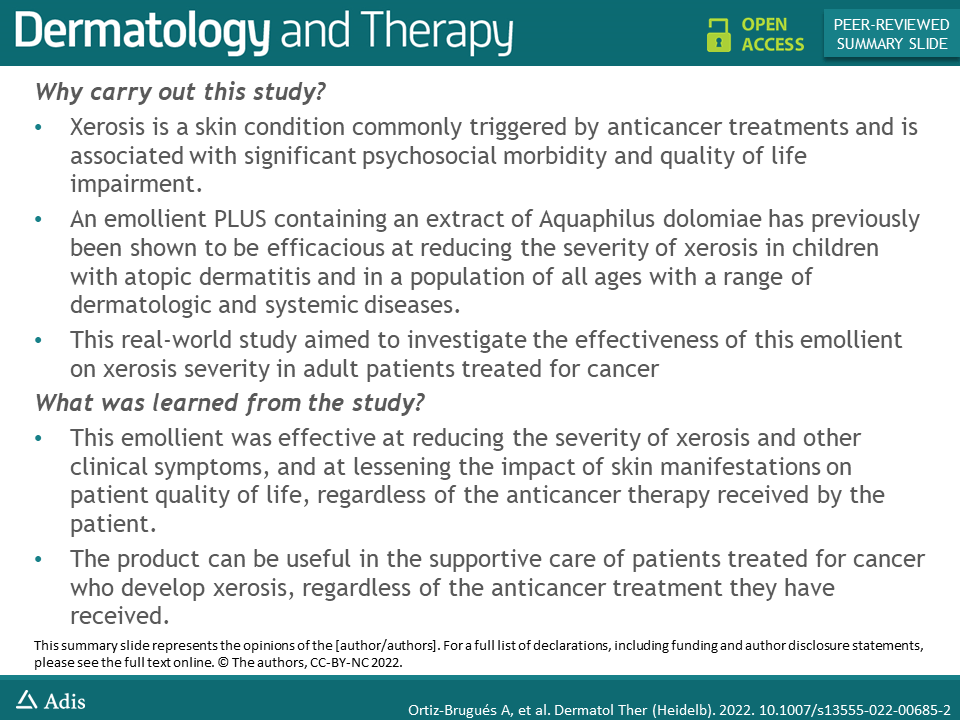
On the occasion of the national “Week Against Cancer” campaign in France, it is important to highlight research efforts aimed at reducing the side effects associated with cancer treatments.
Indeed, while the range of treatments available – used alone or in combination – are effective against cancer, they can have many side effects, particularly on the skin. Xerosis is one of the most frequent side effects of cancer therapy and requires appropriate management to help maintain patient quality of life and prevent potential interruptions to cancer treatment.
Read moreBrain Awareness Week 2022
March 9, 2022
Next week (14th – 20th of March) is the 24th Brain Awareness Week (BAW), “a global campaign to foster public enthusiasm and support for brain science” (https://www.brainawareness.org/about/).
There are many events taking place across the world, and several activities are also being proposed to help you get involved in the campaign.
In France, the “Société des Neurosciences” is hosting an extensive program, with replays of a range of conferences also being made available.
Many of the topics covered are related to themes* that our medical writing team has addressed in the form of articles and/or sketchnotes for the general public in collaboration with the “Observatoire B2V des Mémoires” (B2V Memory Observatory): https://www.synpharm.com/en/sketchnote/
*Learning, Brain and Artificial Intelligence, Brain and New Technologies, Brain and Society, Brain and Sport, Sleep, The 5 senses, Emotions, Memory, The Sick Brain.
World Rare Disease Day 2022
February 28, 2022
By definition, a rare disease has a prevalence of 1/2,000. But rare diseases are numerous and would affect more than 3 million people in France, more than 300 million in the world!
Most of these diseases have no treatment. Nevertheless, many actors are mobilized in the fight against rare diseases to improve the diagnosis, care and follow-up of the patients concerned; research in this area also allows significant medical advances.
In 2021, we again had the opportunity to put our medical writing skills at the service of several rare diseases, including craniofacial microsomia, cystic fibrosis, and inherited epidermolysis bullosa.
Read moreWorld Neglected Tropical Disease Day 2022
January 25, 2022
Synergy Pharm feels particularly concerned about Neglected Tropical Diseases (NTDs) and keeps you informed about the activities of the WHO.
On Sunday 30 January 2022, the WHO will celebrate the World Neglected Tropical Diseases Day (WNTDD). The WHO activities aim to mobilize the world to defeat NTD (https://www.who.int/campaigns/world-ntd-day/world-ntd-day-2022).
Read moreNew Clinical Trials Regulation in Europe
December 2, 2021
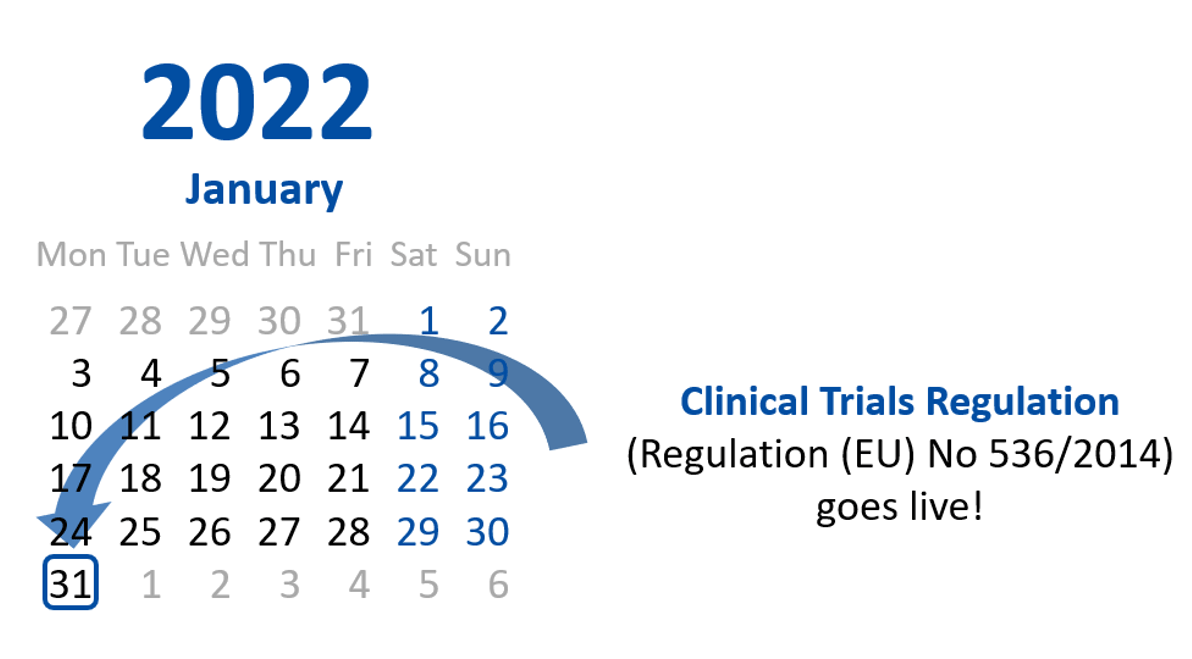
On 31 January 2022, Clinical Trials Regulation (Regulation (EU) No 536/2014) will go live, repealing EU Clinical Directive (EC No 2001/20/EC) and changing how Clinical Trials are conducted in the European Union (EU).
Read moreHair Disorders and Emerging Treatments
November 9, 2021
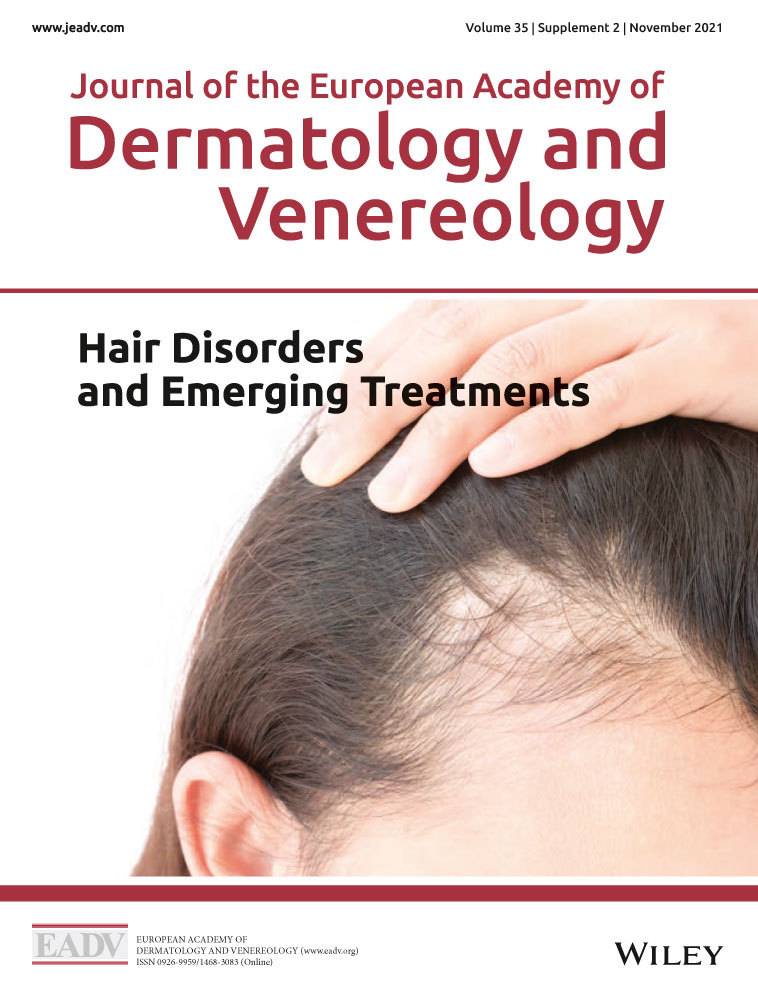
Although hair disorders are common, their management still represents a major clinical challenge in dermatological practice despite the emergence of new diagnostic tools and new treatment options.
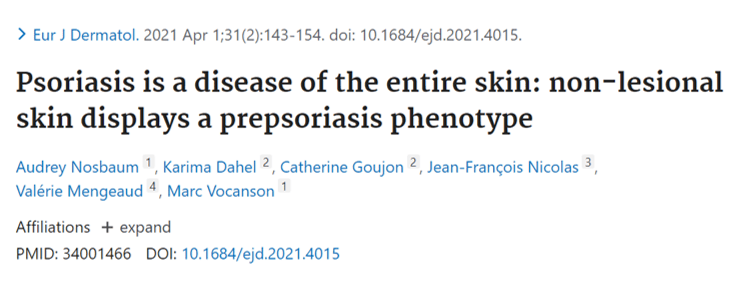
Read moreWorld Psoriasis Day 2021
October 29, 2021
Today is World Psoriasis Day. It is a great opportunity to share a review of the literature on this chronic skin pathology.
Read moreBreast Cancer Screening Awareness Month
October 12, 2021
October is Breast Cancer Screening Awareness Month.
More than 355,000 women were newly diagnosed with breast cancer, and nearly 92,000 women died from the disease across the EU-27 in 2020.
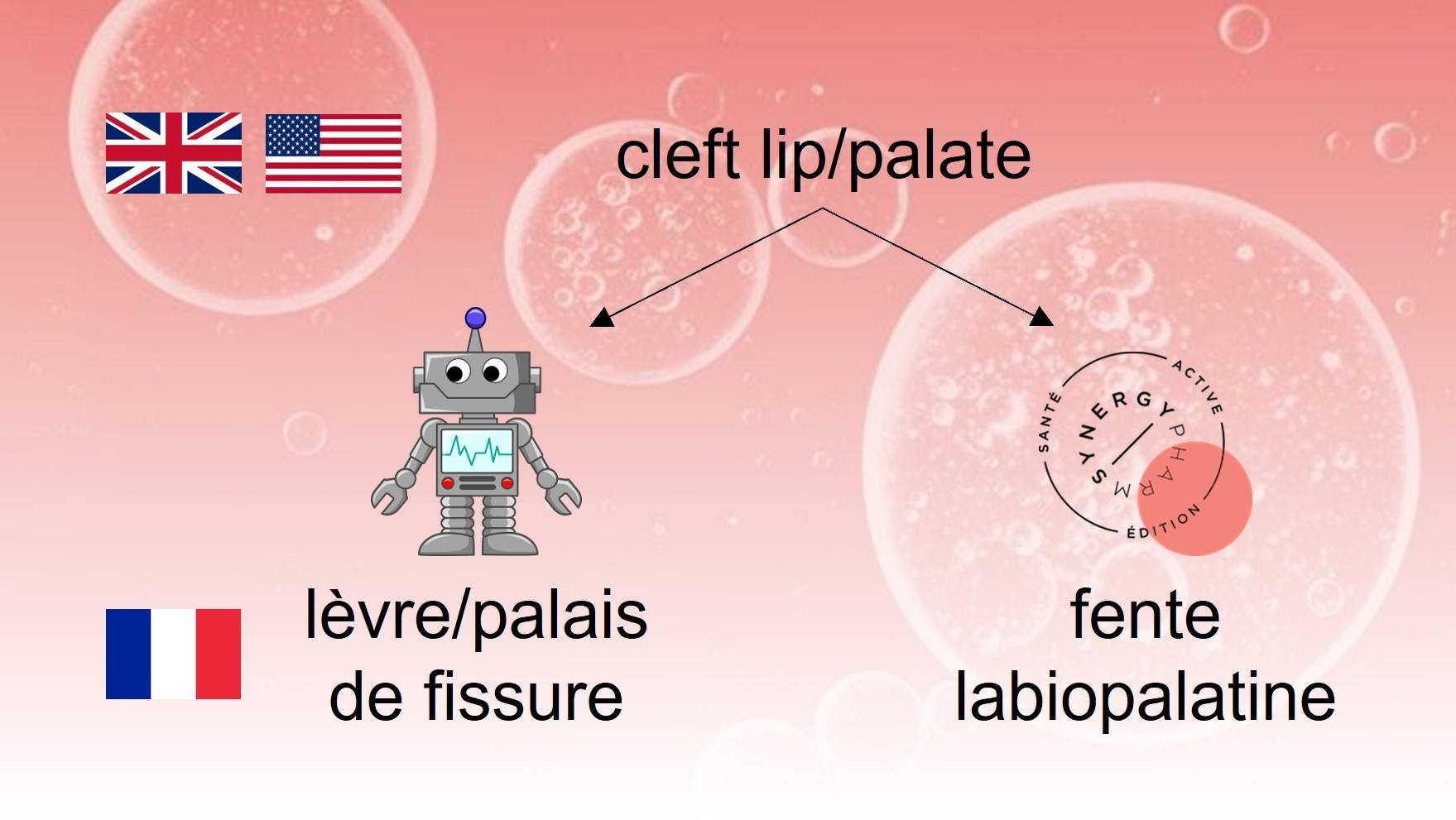
Read moreInternational Translation Day
September 30, 2021
International Translation Day is a great opportunity to talk about the translation service offered by our medical communication agency.
Read more