Acne: mechanisms involved and plant-based dermocosmetics
January 14, 2026
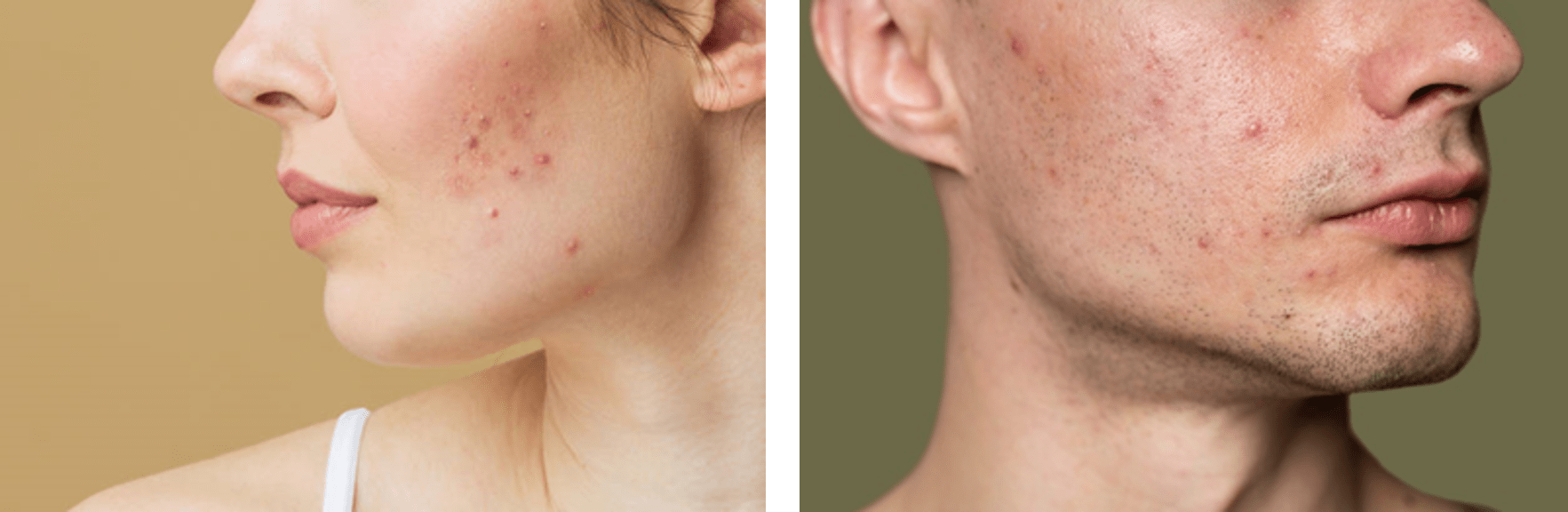
Acne is a common skin disorder during adolescence and can have a significant impact on well-being at this stage of life. Maintaining healthy skin is essential, not only for appearance but also for preserving a stable skin environment (skin homeostasis) and a healthy microbiota.
Indeed, many resident microorganisms (bacteria and fungi) and their byproducts (lipids, metabolites, etc.) help the skin fight against external aggressors and maintain skin homeostasis. Although conventional acne treatments (e.g., antibiotics, retinoids and benzoyl peroxide) may be effective at managing acne flares, they may also disrupt skin and microbial homeostasis and lead to side effects such as skin dryness and irritation. Using dermocosmetics containing natural, plant-based ingredients, either alone or alongside conventional treatments, may provide an alternative and more holistic approach to acne management, maintaining skin health and enhancing therapeutic outcomes.
Our medical writing team assisted researchers in drafting several articles exploring the mechanisms involved in acne and potential solutions for managing this skin problem:
- An original research article published in the journal Dermatologic Therapy: An integrative study combining ultrastructural imaging techniques with metabolome, lipidome, and microbiome analyses to explore the microcomedone ecosystem during the use of a plant-based anti-acne dermocosmetic product (https://doi.org/10.1155/dth/8869125).
- A research letter, published in Dermatology Practical & Conceptual: Results of a pilot study that used both reflectance confocal microscopy (RCM) and optical coherence tomography (OCT) to identify non-invasive imaging markers of the response of acne-affected skin to a dermocosmetic formulation containing Silybum marianum fruit extract (https://dpcj.org/index.php/dpc/article/view/6959)
- Two review articles, published in the journal Dermatology:
I: An update on strategic targets for topical acne treatments, highlighting advances in understanding of the role of non-lesional skin and microcomedones in acne development (https://doi.org/10.1159/000547515).
II: Evidence from preclinical and clinical studies on the anti-acne properties of plant-based bioactive compounds and the benefits of dermocosmetics containing plant-based ingredients for holistic acne management (https://doi.org/10.1159/000547149).
Find out more about acne and our experience in the field by reading our 2024 news article: Involvement of the cutaneous microbiota in acne, discussing two other original research papers on (1) the role of the skin microbiota in acne and (2) the beneficial effects of a plant-based dermocosmetic product on acne lesions. Both articles were published, with the help of our medical writing team, in The Journal of the European Academy of Dermatology and Venereology (JEADV).
We thank all the authors of these articles for their trust and collaboration!